
Team from NHS Grampian and University of Aberdeen wins national award for NHS waiting list research
Published: 10/07/2026 08:00Team from NHS Grampian and University of Aberdeen wins national award for NHS waiting list research
A team spanning Biostatistics and Health Data Science at the University of Aberdeen and NHS Grampian have won a prestigious national award for their work exposing who is most affected by elective care waiting times.
The team was part of a collaboration of analysts across Scotland, England, and Wales that used health data to address a significant gap in national evidence: despite the NHS elective waiting list being a major national priority, relatively little was known about who waits longest, what happens to patients while they wait, or how waiting affects their wider use of health services.
The collaboration, called the Networked Data Lab, has been named the winner of the Royal Statistical Society's Florence Nightingale Award for Excellence in Health and Care Analytics, which recognises teams whose work has led to meaningful improvements in patient care across the UK. The award is named in honour of Florence Nightingale, who, alongside her nursing work, was a pioneering statistician and the first woman to be elected as a fellow of the Royal Statistical Society.
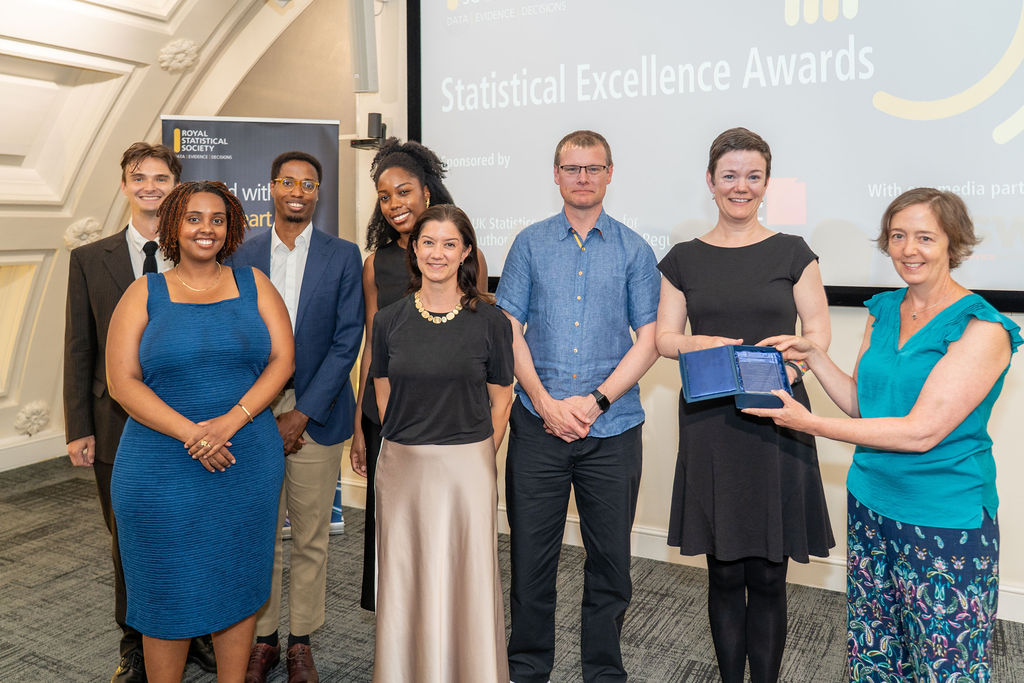
Dr Jessica Butler, Principal Investigator of the Networked Data Lab, Lead Data Scientist, NHS Grampian and honorary Senior Research Fellow at the University of Aberdeen said: "NHS health data is an incredibly valuable, but often underappreciated, national resource. This Royal Statistical Society honour highlights how vital it is that NHS analysts understand patients’ whole journey through the healthcare system so we can improve patient care and reduce health inequalities."
The research revealed inequalities in how people experience the wait for care. People who live in the most deprived areas of the UK tend to wait longer for treatment than those living in affluent areas, they attend A&E more often while waiting, and are more likely to be removed from waitlists due to missed appointments.
The research also found that waiting is far from a passive period. People on the elective waiting list see their GP more often than the general population, and the cost of primary care for those waiting was more than double the cost of their emergency department attendances.
The researchers have stressed the importance of data sharing within the NHS, so care providers can understand their patients' journeys through the medical system. Their work will help clinicians identify patients who might benefit from additional support before, during and after waiting, such as being prioritised for waiting-well interventions and for continuity of care in these periods.
Jillian Evans, Head of Health Intelligence, NHS Grampian, said: "This Royal Statistical Society award highlights the importance of analysing data from across the NHS to understand patient journeys and improve patient care."
The researchers have stressed the importance of data sharing within the NHS, so care providers can understand their patients' journeys through the medical system. Their work will help clinicians identify patients who might benefit from additional support before, during and after waiting, such as being prioritised for waiting-well interventions and for continuity of care in these periods.
Professor Shantini Paranjothy, Director of Public Health, NHS Grampian, added: "Our team’s research is an example of how the NHS can use data to improve care equitably. The work demonstrates the importance of preventative care in improving health and reducing demand on the NHS in the long term." The results have been published by the Health Foundation in a policy briefing The elective care waiting list: The elective care waiting list: insights from linked data | The Health Foundation