
Risk management within NHS Grampian is embedded as a core component of organisational governance and the Board Assurance Framework, supporting the delivery of safe, high‑quality and sustainable healthcare. A structured, enterprise‑wide approach is adopted to ensure that risks are systematically identified, assessed, managed and escalated across all levels of the organisation.
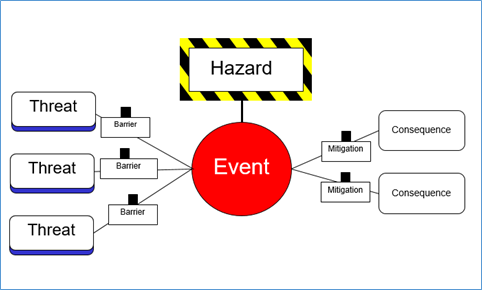
All risks are formally recorded and managed through the Datix Risk Management Information System, ensuring consistency, transparency and real‑time oversight. Risks are assessed using nationally aligned risk matrices and documented using a standardised methodology, including clear articulation of causes, events and consequences, alongside defined controls, mitigating actions and risk treatment approaches.
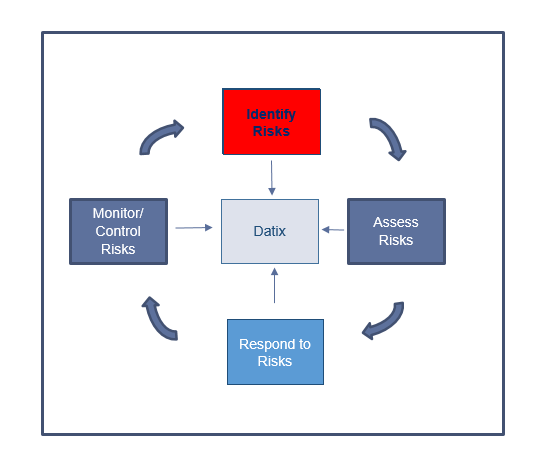
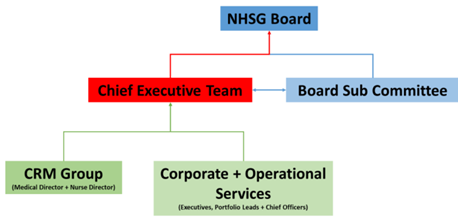
Operational responsibility for managing risk sits with directorates and Health and Social Care Partnerships, with clear roles for risk ownership, monitoring and escalation. Risks are managed proportionately at operational, portfolio and strategic levels, with defined escalation pathways to ensure that significant risks are reviewed at Executive and Board Committee level.
Strategic risks are subject to robust oversight through established governance structures, including the Executive Team and Board Committees, particularly the Audit and Risk Committee, which provides delegated scrutiny on behalf of the Board. Risks are aligned to defined impact categories and committee responsibilities, strengthening accountability, reducing duplication and enabling focused, expert review.
A Board‑approved Risk Appetite Statement guides decision‑making by defining the level and type of risk the organisation is prepared to accept in pursuit of its strategic objectives. This supports balanced, risk‑informed decisions while recognising that not all risks can be eliminated in the delivery of healthcare.
Collectively, these arrangements provide assurance that risks are actively managed, regularly reviewed and appropriately escalated, enabling NHS Grampian to respond proactively to uncertainty, support service transformation, and deliver its strategic priorities.
 |
 |
Further Information