
What to expect at your audiology appointment?
Hearing Assessment Appointment
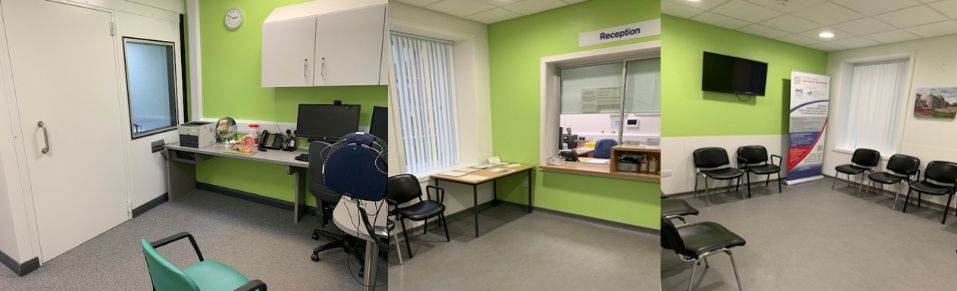
Before you attend for your hearing assessment
It is important to ensure that your ears are clear of wax before attending your appointment, as this can affect test results, and we may not be able to proceed with the appointment. Your GP should have checked that your ears are clear and healthy before referring you.
It is a good idea to start thinking about which situations you would like to manage your hearing better and any previous problems with your ears as this will be discussed during the appointment.
You may be sent a pre-assessment questionnaire with your appointment letter, please ensure you fill this in and bring it with you to your appointment.
On the day
If you already wear hearing aids, or have previously had hearing aids, please bring them, and any glasses you require to your appointment. You are welcome to bring a family member, friend or carer to your appointment for support, and we would encourage you to do so.
When you arrive please you ensure to check-in at the reception desk.
During the appointment
Please allow approximately 45-60 minutes for this appointment. The audiologist will discuss any hearing difficulties, take a medical history and examine your ears using an otoscope to check that your ears are healthy and free from wax.
They will then perform a hearing test which involves wearing headphones and pressing a button when you hear a sound. There may be other tests required which the audiologist will explain at the appointment should it be necessary.
Once all necessary testing has been completed, the audiologist will explain and discuss your results with you. Depending on the degree and type of hearing loss, you will be eligible for a free NHS behind the ear (BTE) hearing aid. Your audiologist will discuss which style will best suit your hearing needs. This will depend on your hearing levels.
In some cases, your audiologist may need to take an impression of the shape of your ear. This involves placing a small soft sponge in your ear. Then the ear canal will be filled with a soft impression material which takes a few minutes to set. The audiologist will then remove the impression from your ear and send it off to be made into an ear mould.
If the decision has been made to proceed with a hearing aid, an appointment will then be arranged for your hearing aid fitting.
The audiologist will write back to your GP with the outcome of your hearing assessment.
Hearing Aid Fitting Appointment
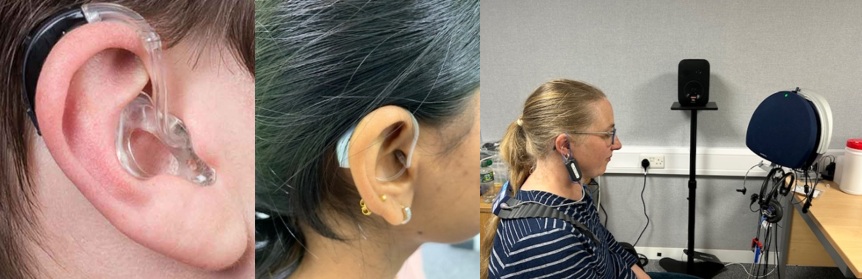
If at your assessment appointment, it was agreed that you would like to try hearing aids, the Audiologist will have explained what type of hearing aid and earpiece is most appropriate for your hearing loss, and what to expect at your fitting appointment and from your hearing aids.
Please allow approximately 45 minutes for this appointment.
Prior to fitting your hearing aids the audiologist will check your ears and make sure that they are healthy and free from wax. They will then fit the earpiece and ensure that it is comfortable, and connect your hearing aids to the computer.
As part of the fitting process, we will run various tests and take measurements throughout the appointment to make sure that the hearing aids are set correctly. For any test that is required, the audiologist will explain the procedure before it is performed and make sure you are happy to continue.
Your hearing aids will be programmed according to your hearing, as well as the size and shape of your ears. Some of the tests involve placing a thin tube into the ear canal and playing some sounds through a speaker. You do not need to respond to these sounds but you will be asked to face a speaker in front of you.
Once the hearing aids are set to the correct prescription, the audiologist will make sure that you are happy and comfortable with the sound. It is normal for hearing aids to sound strange initially, but over time you should gradually acclimatise to the new sounds around you.
The audiologist will then demonstrate how the hearing aids work, how to look after them and you will have the opportunity to practise putting them in.
Frequently asked questions about hearing aids
Will I have normal hearing with hearing aids in?
Hearing aids will not give you normal hearing, but they will help to make sounds louder and clearer.
Why does my voice sound strange?
It is common for you to be more aware of your own voice when you first start using a hearing aid. Your brain needs time to re-acclimatise to sounds that you have not been hearing. It will sound strange to start with, but with perseverance and regular use, this should settle and become a more natural sound.
What if the hearing aids are uncomfortable to wear?
Check that the hearing aids are properly inserted. Try to wear your hearing aids for short periods at a time and gradually increase this. If the hearing aids are causing pain or discomfort, then please contact us.
Will I still struggle to hear?
As hearing aids cannot restore normal hearing, certain situations can still be challenging. Generally noisy situations, where there is lots of background noise such as restaurants, or large social situations, or situations such as conversing in the car, can still be difficult. Good use of communication tactics such as facing the speaker can help you manage this better. External microphone accessories can also help in this situations, but need to be purchase. Please speak to your audiologists for more information.
The phone can also be tricky for some people but ensuring the phone is placed near the hearing aid microphone at the top of your ear instead of at your ear can help. Most hearing aids can now connect to mobile phones directly via Bluetooth which can help with managing phone calls.
What is the best way to get used to wearing my hearing aids?
The more you wear your hearing aids, the quicker you will get used to them. Your brain needs time to learn how to hear and listen to different sounds again so perseverance is key. It is common for things to sound strange at first but it will take time for you to get used to hearing speech and different background noises with your hearing aids.
How often should I wear my hearing aid?
Ideally all day and every day is best, just removing for sleeping and washing. Even if you feel you can hear fine in some situations, it is still beneficial to wear the hearing aids as they will still pick up on sounds that you may not notice without them. Remember, you never know when you might need to hear something important such as the telephone or doorbell.
I have two hearing aids, do I need to wear both together?
The hearing aids have been programmed to work as a pair, so if you are only wearing one hearing aid, the settings may be incorrect for your hearing loss. It is beneficial to wear both together because it helps to give you a more balanced natural sound and make it easier to locate where sounds are coming from.
Are there any other devices available to help with my hearing?
Yes, there are accessories which can be purchased to work alongside your hearing aids. Please ask your audiologist if you would like any further information.
Hearing Aid Repair Technician Appointment
If you experience a fault or a comfort issue with your hearing aid we can book you in for short repair appointment with one of our hearing aid technicians. This appointment is usually around 15 minutes long and is for minor repairs.
The technician will check your ears are clear and your hearing aids are working correctly. They may need to replace part of your hearing aid, or program you a replacement.
They can also take ear mould impressions for lost ear or broken ear moulds.
A technician cannot adjust the hearing aid settings and you would need to be added to the waiting list for an audiologist appointment if an adjustment is required.
Published: 22/01/2026 10:58